
We made a stop in La Junta to break up our drive on the way to Palo Duro State Park and got a hotel as there is nowhere to to camp around there and besides it was way too hot. While waiting on our room to be ready we went in search of the house Cynthia & John and newborn baby Brian Clifton lived in some 41 years ago. Cynthia had given us the address and sure enough we found it still there along with another house they called the castle house that they used to admire. It was fun to hear them reminiscing about that time long ago. Another reason we stopped in La Junta was to go to Bent’s Old Fort.
The location of Bent’s Old Fort has nothing to recommend itself today, situated well off the beaten path on the north bank of the Arkansas River between what is presently La Junta and Los Animas Colorado. When it was founded in 1833 on the border with Mexico and the United States by the trading partnership of William and Charles Bent and Ceran St. Vrain it was the largest structure east of the Mississippi all the way to California. Made of adobe bricks by workers imported from Santa Fe it was cool in the summer and warm in the harsh winters of the high Colorado plains. It was a two story structure 137’ x 178’ and had walls that were about 30” thick and 14’ tall with two towers on the northeastern and southwestern corners over 18’ tall and 17’ in diameter mounted with small field pieces for defensive purposes.

A true cosmopolitan center for the west, there were no fewer than six spoken languages that could be heard within its walls. Here the trade networks of the west intersected and linked Mexico City, Santa Fe, St. Louis, New York, New Orleans, Asia, and Europe as indicated by the items moving through the Fort’s ironclad wooden gates. It also served as a place where bands of plains Indians normally hostile to one another: the Cheyenne, Arapaho, Kiowa, Comanche, and other tribes coexisted and even held peace talks in the fort’s council room.
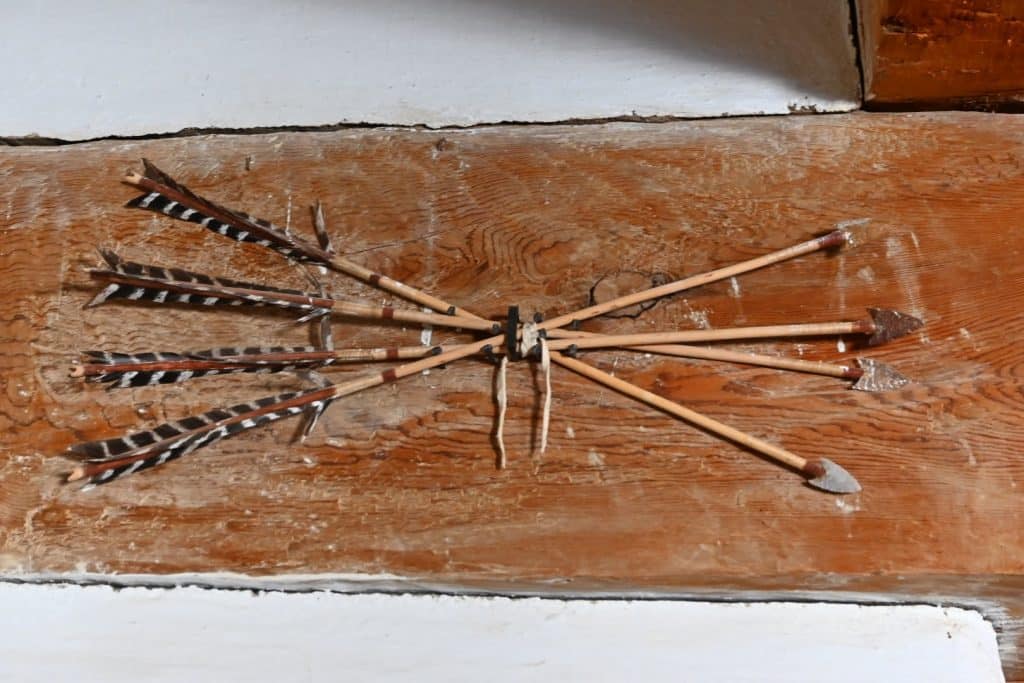
Overlanders and traders traveling the Santa Fe trail looked forward to a place to eat, sleep and repair their equipment during the two month journey.
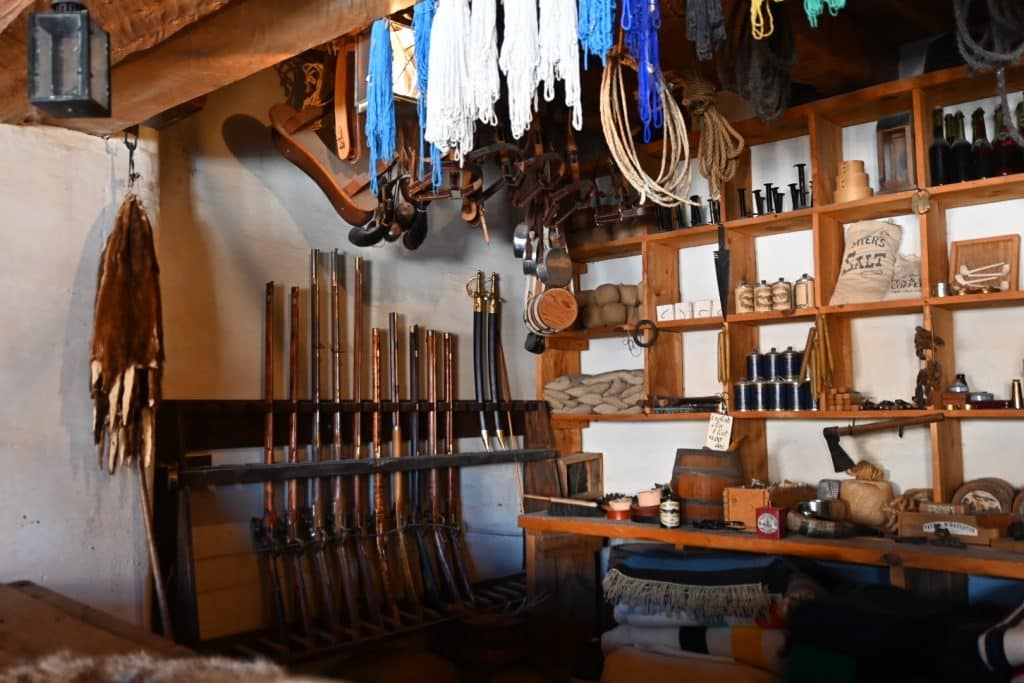

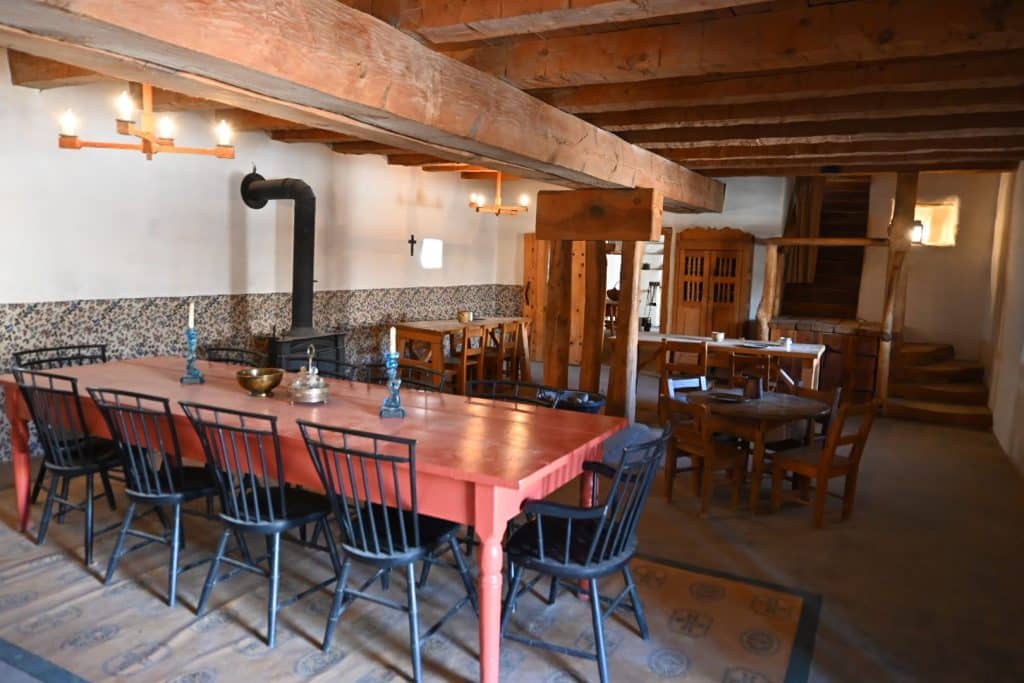
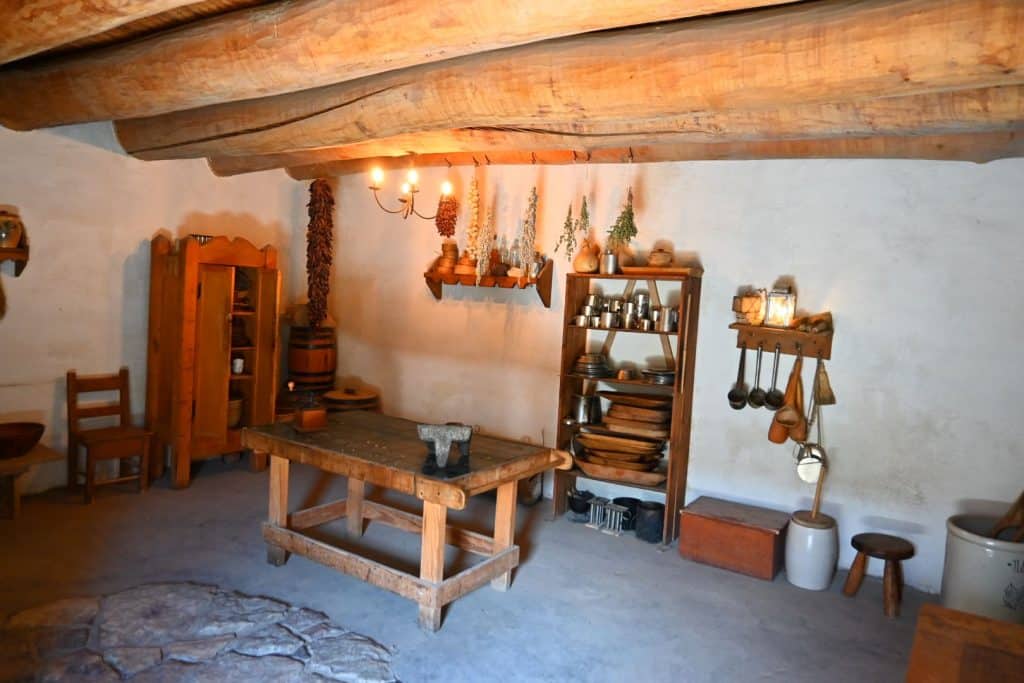


There were resident cats, goats, horses, guinea, and peacocks.

In 1846 the fort served as the portal for Colonel Stephen Watts Kearny to invade Mexico changing the trajectory of the fort into the future. Unable to come to terms with the breakup of the partnership because of the attempts to sell the fort to the US army it was burned down by William Bent in 1849.
Today, thanks to the drawings of Lieutenant James Abert in his 1845 to 1846 surveying seasons, the fort has been meticulously reconstructed and restored to its original state complete with living history “residents” ready to serve as knowledgeable docents as one is transported back to that time when furs were money.


One Response
What daddy could have made with all those tools in that workshop!!
David needs a buffalo coat.